Showing posts with label theme week. Show all posts

Sunday, 15 January 2012

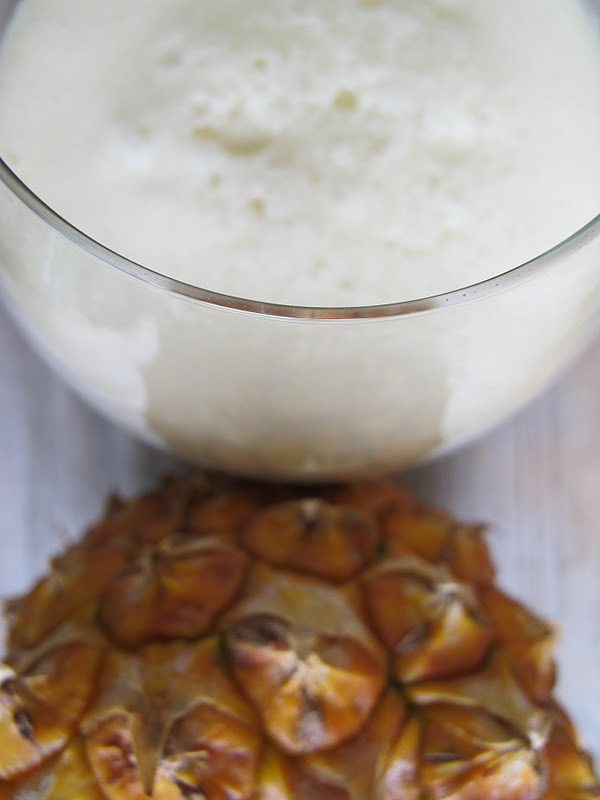
chicha de piña (spiced pineapple drink)


This recipe is a perfect end to my seven days of pineapple because it gives you something to do with all the pineapple skins and core that you’d otherwise throw away or compost.

I had heard of this Ecuadorian drink before, but since it’s traditionally fermented I’d given it a wide berth. Home fermentations make me a little uneasy with their potential to explode and spray their contents everywhere. In a small apartment, this is not an ideal outcome.

But I discovered Layla’s recipe and she explained that although the traditional chicha is fermented, there are many lighter and easier versions of chicha commonly made and drunk in Ecuador. This is one.


The pineapple scraps are boiled with water, spices and panela, which is unrefined whole cane sugar made from evaporating sugarcane juice. Layla’s blog has a detailed and pleasantly idyllic description of how panela is made in the town she grew up in.

Panela is sold in small cone-shaped pieces in Latin American grocers, but if you can’t find any then Indian/Sri Lankan jaggery is a very similar product.

Layla’s recipe is a fresh chicha, although her blog post also contains instructions on how to make a fermented version if you are more game than I am.

I drank this both hot and cold. It’s a lovely refreshing cold drink on a warm day, but an even ,ore unusual and comforting warmer on a cold winter evening. Highly recommended either way.


Chicha de Piña (Ecuadorian spiced pineapple drink)

Adaptation of Layla’s recipe. Makes 2 litres.

Ingredients:
Skin, core and scraps of 1 (well-washed) pineapple
125g panela
2 litres water
2 cassia quills (or cinnamon)
2 cloves
4 allspice berries
(500ml pineapple juice, optional)

Method:

1. Combine all of the ingredients in large saucepan

2. Bring to a boil and simmer, covered, for 1 hour.

3. Drink hot or cold, but strain before serving.

Note: I added about 500ml of fresh pineapple juice to the final product, just to make it punchier.


Pineapples supplied by the team at King of Fruit

Saturday, 14 January 2012

pineapple carpaccio w mint sugar


This was the dish that completely converted me to fresh mint.

Who would have thought that beautiful, verdant mint would colour sugar so perfectly.

All you have to do is smash the fresh mint with the sugar crystals and you’re left with this crumbly, vibrant topping that lasts for a few days.

I sprinkle it on anything I can, and I’m guessing you will too.

It's a perfect match to the pineapple, but now I'm wondering what other herb sugars would go equally well with slabs of juicy pineapple. Let me know if you test another out!


Pineapple Carpaccio w Mint Sugar

Recipe by Jamie Oliver. Serves 4.

Ingredients:
1 ripe pineapple
4 heaped tablespoons caster sugar
1 handful of fresh mint

Method:

1. Cut both ends off and peel the skin with a knife, removing any little black bits.

2. Then cut the pineapple into quarters and remove the slightly less tasty core (if you have a pineapple as juicy as mine the core is soft and delicious so I ate that too!).

3. Finely slice your quarters, lengthways, as thin as you can.

4. Lay out flat in one or two layers on a large plate. Don't refrigerate this – just put it to one side.

5. Pick the mint leaves and add them to the sugar in a mortar and pestle then bash the hell out of it. You'll see the sugar change colour and it will smell fantastic. It normally takes about a minute to do if you've got a good wrist action.

6. Sprinkle the mint sugar over the plate of pineapple – making sure you don't let anyone nick any pineapple before you sprinkle the sugar over.


Pineapples supplied by the team at King of Fruit

Friday, 13 January 2012

sticky tamarind pork & pineapple skewers


This recipe is influenced by South East Asian cooking, particularly Malaysian and Indonesian food where the salt combines from shrimp paste, the sour from tamarind, the sweet from palm sugar and the spice from chilli peppers.

The bursts of sweet pineapple cushioned between salty morsels of meat make a great meal or addition to a barbecue buffet.

If you don’t have an outdoor barbecue, a grill is just fine but the smoky, charred flavours of a barbecue are a great addition to this dish. I used pork, but you could use chicken just as easily.


Sticky Tamarind Pork & Pineapple Skewers

Anna’s very own recipe. Makes 12 kebabs.

Ingredients:

Kebabs
700g pork sirloin, cut into cubes
200ml pineapple juice
400g fresh pineapple, cubed

Sauce
120g grated palm sugar
80ml pineapple juice (extra)
20ml tamarind paste
6g belacan (shrimp paste)
2 small red (birdseye) chilli, finely chopped

Method:

1. To marinate the meat, place the pork and 100ml pineapple juice into a non-reactive dish (ceramic or plastic) and marinate in the fridge for an hour or so (the pineapple enzymes breaks down the protein and tenderises the meat).

2. To make the sauce, combine the palm sugar and pineapple juice in a saucepan and bring to the boil, dissolving the sugar.

3. Continue to simmer the liquid until it forms a sugar syrup. Remove from heat and allow to cool.

4. Wrap belacan in a little aluminium foil and roast in open flame for 30 seconds. You’ll know it’s ready because the smell becomes more apparent.

5. In a mortar and pestle, pound the belcaon and add the chilli into a paste. Add the tamarind paste and combine well. Drizzle in the sugar syrup and mix completely.

6. When ready to cook, drain meat from marinade, skewer then brush with the thick sugar syrup and barbecue, continuing to baste throughout the cooking process.


Pineapples supplied by the team at King of Fruit

Thursday, 12 January 2012

caramelised pineapple & coconut cake


One of my favourite cakes is the rich and moist Persian Orange Cake, where whole oranges are blended with almond meal and egg to make a sticky, dense cake.

So instead of using oranges, what about pineapple instead? And what goes better with pineapple than it’s old pal the coconut. Add that too!

What do you get? This awesome sticky-sweet, tropical cake.

And to bring out the natural sugars of the pineapple, cook it a little in advance. This adds a whole new complexity of flavour to the dessert. I hope you enjoy it.


Caramelised Pineapple & Coconut Cake

Anna’s very own recipe. Serves 8-10.

Ingredients:

Cake
550g pineapple flesh
60ml dark rum
6 eggs, beaten
300g almond meal
50g desiccated coconut
100g caster sugar
100g brown sugar
50g demerara sugar
1 teaspoon baking powder


Coconut Rum Syrup
¼ cup small pineapple pieces
¼ cup water
¼ cup sugar
40ml coconut rum

Method:

1. Preheat oven to 190ºC/170ºc fan forced. Grease springform tin.

2. Panfry or barbeque the pineapple until golden brown and caramelised. Place on a plate or in a bowl and pour rum over hot pineapple. Allow to cool.

3. Blend pineapple and rum mixture thoroughly in a food processor.

4. Add remaining ingredients and blend completely.

5. Pour batter into prepared tin. Bake for 1 hour (if cake is still very wet, cook a little longer).

6. Meanwhile make the coconut rum syrup by heating water and sugar until sugar is dissolved.

7. Add the pineapple pieces then bring to the boil for a minute or two and allow the sugar syrup to thicken.

8. Remove from heat and add coconut rum. Mix well.

9. When the cake is cooked, remove from oven and pour hot syrup all over hot cake, reserving pineapple pieces.

10. Cool cake in tin before gently removing. Decorate with remaining pineapple pieces from the syrup.


Pineapples supplied by the team at King of Fruit

Wednesday, 11 January 2012

barbequed chilli pineapple


One of the simplest pineapple recipes you can make is to rub chunky circlets of golden flesh with olive oil and a super hot chilli (like the Takanotsume “hot claw”) then throw it on the barbie.

Absolutely brilliant. Truly.

Barbequed Chilli Pineapple

Ingredients:
1 Takanotsume “hot claw” chilli
½ pineapple
1 tablespoon olive oil
Pinch of salt flakes

Method:

1. Peel and cut pineapple into round slices.

2. Finely chop chilli, including seeds.

3. Rub the chilli all over the pineapple and place in a bowl.

4. Dress with olive oil and salt and toss around. Leave for 10 minutes.

5. Grill pineapple on hit grill until heated through.

Great with regular pork, ham steaks and fish.


Pineapples supplied by the team at King of Fruit

Tuesday, 10 January 2012

amaretto piña colada


On the morning of a big birthday year, I met my friends and sisters on the rooftop pool of a Barcelona hotel and drank these for breakfast.

It’s a typical piña colada, only incredibly enhanced by the sweet almond flavour of amaretto. Combined with the pineapple juice and coconut milk, the almond is divine.

I could drink a gallon of this stuff. Oh, hang on, I did!


Amaretto Piña Colada

Anna’s recipe. Makes 2.

Ingredients:
90ml amaretto
65ml white rum
40ml coconut cream
125ml pineapple juice
1 cup ice
1 cup pineapple chunks

Method:

1. Blend all ingredients together.

2. Decorate with ridiculous paper umbrella, plastic mermaid or oversized pineapple wedge.

3. Drink, pretending your poolside somewhere in the Caribbean (or a Barcelona roof top).


Pineapples supplied by the team at King of Fruit

Monday, 9 January 2012

cactus & pineapple salsa


The Pineapple. The King of Fruit.

How can you not love this amazing creature?

Rough, brown skin.
Head of spiky, cascading leaves.
Sweet, succulent, juicy golden flesh.

To celebrate the season of these beautiful tropical fruits the team at King of Fruit, headquartered in northern Queensland’s Yeppoon, gave me four luscious pineapples so I could cook up a storm.

After cutting into the first, and tasting how sweetly divine it was, I decided to dedicate a full seven days to the delights of these wonderful fruits.


Sevens Days of Pineapple!

Check back at Morsels & Musings each day this week to experience a new pineapple recipe daily:
Salsa de Piña y Nopal (Cactus & Pineapple Salsa)
Amaretto Piña Colada
Barbequed Chilli Pineapple
Caramelised Pineapple & Coconut Cake
Sticky Tamarind Pork & Pineapple Skewers
Pineapple Carpaccio w Mint Sugar
Chicha De Piña (Spiced Pineapple Drink)

First up is a Mexican inspired salsa with cactus, chilli and lime. I served it with pork cutlets that had been marinated with achiote paste, which gets its beautiful red colour from annatto seeds.


Salsa de Piña y Nopal (Cactus & Pineapple Salsa)

Anna’s very own recipe. Serves 4.

Ingredients:
1 cup chopped pineapple
¾ cup chopped prepared cactus (see note)
¼ cup lime juice
2 tablespoons finely chopped red onion
1 tablespoon sliced fresh Serrano chilli
1 tablespoon finely chopped fresh coriander
Salt, to taste

Method:

1. Combine everything except the salt and coriander, and allow to sit for one hour.

2. Before serving, add fresh coriander and season with salt to taste.

Note: I use cactus (nopales) that come in a jar pre-boiled. Rinse off the thick sap before using.


Achiote Pork Cutlets

Anna’s very own recipe. Serves 4.

Ingredients:
4 pork cutlets
1 tablespoon achiote paste
2 tablespoons lime juice
1 tablespoon olive oil, to taste
2 garlic cloves, crushed
Pepper, to taste

Method:

1. Prepare marinade by combing the achiote paste, lime juice, olive oil and garlic and blending completely.

2. Seal pork cutlets in a snap lock bag with marinade and refrigerate for 2 hours.

3. Heat griddle pan, grill until cooked through.


Pineapples supplied by the team at King of Fruit

Tuesday, 11 January 2011

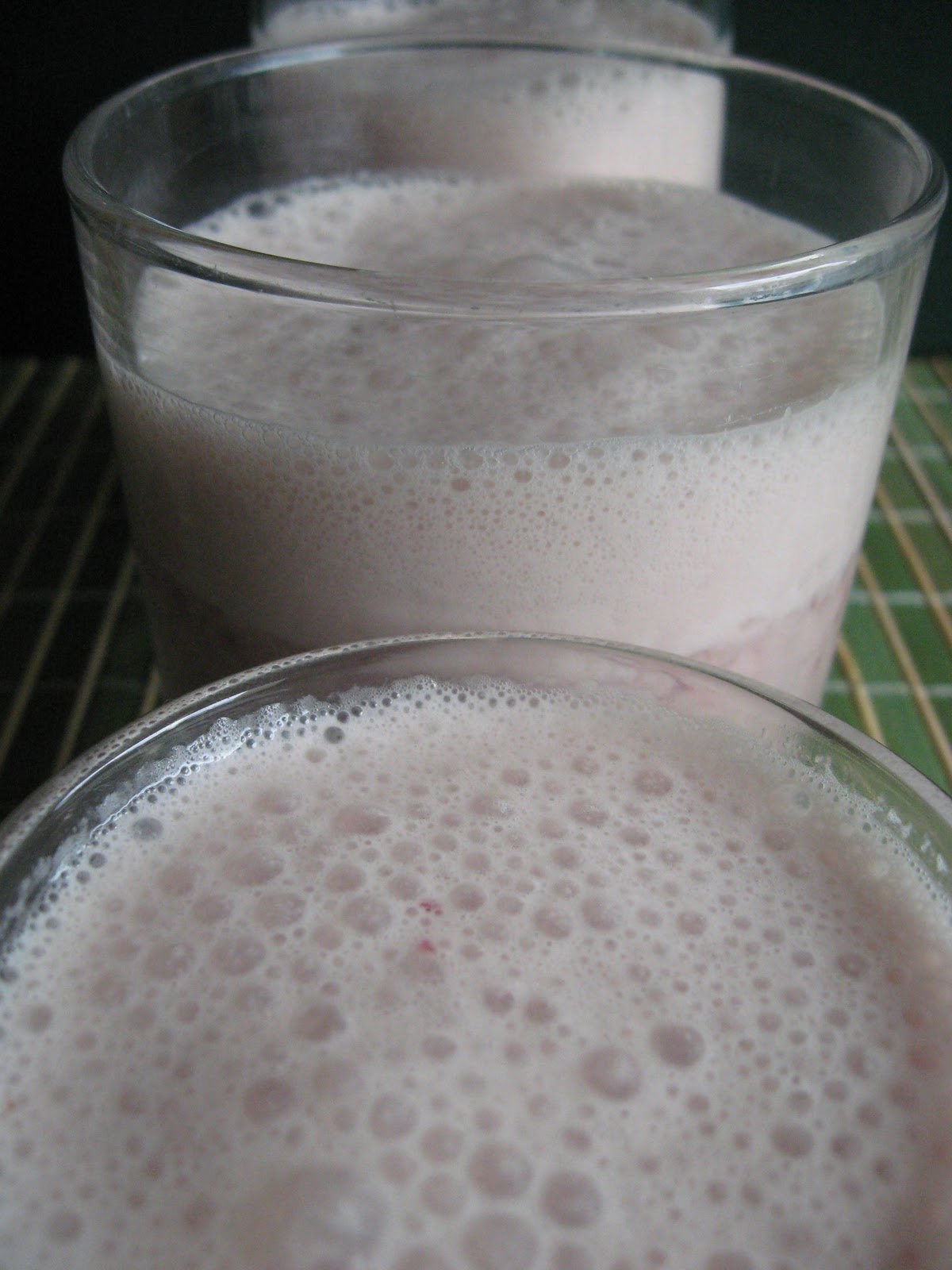
cherry almond shake


Day 2 of Seven Days of Cherries

This drink is a perfect vegan smoothie because it is 100% dairy free yet still remarkably creamy.

I used almond milk, which was surprisingly delicious and contains zero lactose or cholesterol. You can buy almond milk from the supermarket or simply make it yourself with some blanched almonds and water in a blender.

The almond milk shouldn’t be pre-sweetened because this will be done by the cherries and the almond syrup.

It’s a very rich shake, so you don’t want too much, and it’s quite elegant and adult in its flavours.


Cherry Almond Shake

Anna’s very own recipe. Serves 2.

Ingredients:
24 pitted cherries
¼ cup (60ml) almond syrup (orzata/orgeat), or to taste
2 cups (500ml) almond milk, chilled
3 cups crushed ice

Method:

1. Blend cherries, almond milk and ice.

2. Add almond syrup for desired sweetness.

Note: add a shot of amaretto for some alcohol action!


Monday, 10 January 2011

cherry, oregano & feta salad


Seven Days of Cherries

In the week before Christmas I was very, very kindly given a 5kg box of cherries by Moraitis on behalf of The Cherry Growers of Australia Inc.

In exchange for this extremely generous gift, my task was to demonstrate that cherries, one of my all time favourite fruits, are versatile enough to be used in all kinds of ways in the kitchen. It wasn’t hard and I spent the next three days pitting, preserving, macerating and devouring these wonderful cerise orbs.

Here’s what I came up with:
Cherry, Feta & Oregano Salad
Cherry Almond Shake
Pickled Cherries
Cherry & Vanilla Jam
Cherry Vinegar
Cherries in Amaretto Syrup
Cherry & Chipotle Barbecue Sauce

I will be blogging these recipes every day over the next seven days and I hope you too enjoy the awesome cherry crops while they’re in season.

I stumbled upon this first recipe by accident and am so happy I did. The unique combination of salty-sweet flavours and bright colours are amazing, and I’m pleased this is the recipe that's launching my Seven Days of Cherries.

This salad is wonderful with refreshing bursts from the cherries, earthiness from the oregano, heat and depth from the onions, moreish saltiness from the feta and sweet-acidity from the verjuice.


Cherry, Feta & Oregano Salad

Anna’s very own recipe. Serves 2.

Ingredients:
24 cherries, pitted & halved
3 baby spring onions, quartered lengthways
1 tablespoon cabernet verjuice
2 tablespoons extra virgin olive oil
100g crumbled sheep’s milk feta
Fresh oregano leaves, picked over
Freshly milled black pepper

Method:

1. Dress cherries and onion quarters with verjuice, olive oil and black pepper.

2. Mix through oregano leaves.

3. Plate then crumble over the feta before serving.

Wednesday, 5 May 2010

flan napolitano de queso


Hola everyone, it's Cinco de Mayo!!!

The 5th of May, although not Mexico’s national holiday, is the day celebrated around the world as the symbol of Mexican heritage and pride. And this year it also happens to be the 30th birthday of my sister Shamu!!!

It’s hard to believe that little Shamu is 29+1, and even more scary to think I’m not far behind her . . . .

Happy 30th Shamu! I hope you have a whale of a day.

To celebrate her birthday, here's a delicious, rich Mexican cake made with cream cheese and flavoured by a sticky caramel top. Another great recipe from Robot and Tia.

This recipe also concludes the week of Mexican cooking, with:
1. Tamarind Margarita - tangy cocktail
2. Salsa de Chipotle y Tomato - smoky, sweet sauce
3. Conchinita Pibil - citrusy pork roasted in banana leaves
4. Sangrita - tomatoy drink to sip with tequila
5. Budin Azteca - layered tortilla casserole
6. Chiles con Queso - chillies drenched in cheesey sauce
7. Flan Napolitano de Queso - steamed caramel cheese cake

Flan Napolitano de Queso (Steamed Caramel Cheese Cake)
Recipe by Tia Bicky & Robot. Serves 6-8.
Ingredients:

6 eggs
375ml evaporated milk
375ml sweetened condensed milk
250ml (1 cup) milk
250g cream cheese
1 teaspoon vanilla essence
3/4 cup of sugar
Method:
1. Preheat oven to 180'C.
2. Carefully melt the sugar in a saucepan and allow to brown gently to form a caramel. Pour into a cake tin or flan mould.
3. Mix all of the other ingredients together in a blender.
4. Add the blended ingredients into the tin on top of the caramel, then cover tightly with aluminium foil.
5. Place inside a bain-marie in the oven for approximately 50 minutes or when an inserted knife or skewer comes out clean.
6. Leave to set in the refridgerator for at least 2 hours.
7. When cooled, turn upside down and serve with luscious cajeta.

If you have a unique take on a Mexican classic or can recommend a special Mexican dish that isn’t very well known, please leave a link in the comments section below. Let’s share the love of Mexican food around!

Now here’s some brilliant ideas from the rest of the net:

Drinks
Agua de Sandia (watermelon drink)
Agua de Tamarindo (sweet tamarind drink)
Agua Fresca Cítrica (citrus drink)
Agua Fresca de Pepino y Limón (cucumber & lime drink
Champurrado (thickened hot chocolate)
Chico (tequila & blackberry cocktail)
Horchata (almond & rice drink)
Michelada (spicy beer cocktail)
Ponche (fruit punch)
Piña y Menta Fresca (pineapple & mint cocktail)
Prickly Pear Margarita
Rompope (Mexican eggnog)
Spicy Hot Chocolate
Tamarind Margarita
Tepache (spiced, fermented pineapple drink)

Sauce
Chocolate Mole
Pecan Mole
Salsa de Chipotle y Tomato
Salsa Verde (tomatillo sauce)
Salsita de Chile Habanero (habanero sauce)

Snacks & Salads
Beef Empanadas
Cabbage, Jicama & Cucumber Salad
Chicken, Olive & Chorizo Empanadas
Elote (grilled corn)
Ensalada de Nopalitos (cactus salad)
Esquite (corn snack)
Jicama-Pineapple Salad
Oaxacan Eggplant Spread
Pickled Jalepeños

Soup
Caldo Tlalpeño (chipotle, avocado & lime broth)
Frijoles Negros con Chochoyotes (soupy black beans & dumplings)
Menudo Rojo (red chilli tripe stew)
Pozole Rojo (pork & hominy red stew)
Sopa de Fideos (noodle soup)
Sopa de Flor de Calabacín (squash blossom soup)

Main Courses
Arroz Verde (green herb rice)
Acorn Squash Quesadilla
Baja Fish Tacos
Camarones en Pipian (prawns in almond & chilli)
Cemita Strata (leftover bake)
Chilaquiles (bean & tortilla bake)
Chiles en Nogada (chillies in walnut sauce)
Chiles Rellenos (stuffed chillies)
Chile con Carne
Conejo en Mole Rojo (rabbit in red mole sauce)
Garnachas
Guisada de Guilota (quail braised in tomatillo sauce)
Huevos Motuleños (Motul-style eggs)
Huevos Rancheros (ranch eggs)
Huitlacoche Quesadillas (corn fungus toasties)
Mixiote de Carne (beef baked in banana leaves)
Mole Negro Oaxaqueño (Oaxacan black mole)
Pescado a la Veracruzana (Veracruz-style fish)
Pescado Almendrado (fish in almond sauce)
Pescado con Salsa de Acuyo (fish with Acuyo sauce)
Quesadilla Cake
Salpicón de Camarónes (Veracruz-style prawn cocktail)
Tequila Chicken
Tongue Tacos
Tostadas

Desserts
Arroz con Leche
Black Bean, Chilli & Chocolate Sorbet
Calabaza y Camote (candied squash & sweet potatoes)
Capirotada (bread pudding)
Chocolate Fritters w Dulche de Leche
Cinnamon & Chocolate Flan
Leche Quemada (burnt milk fudge)
Lime Margarita Ice Cream
Pan Dulce (sweet buns)
Pastel Tres Leches (three-milk cake)
Pepita Brittle
Polvorones (Mexican wedding cakes)
Rosca de Reyes (sweet bread for Epiphany)
Spiced Sweet Potatoes & Guava in Syrup
Torta del Garbanzo (sweet chickpea cake)

Monday, 5 October 2009

rösti


Announcing the spud themed Potato Week on Morsels & Musings!

My relos, Lynn and Chris, have a farm in Robertson where they grow a number of things including potatoes. This year there was a bumper crop and Jonas and I were lucky to receive a sack of potatoes. They were the most delicious potatoes we have tasted in a long, long time.

In honour of this potato bonanza, starting today, I plan to blog a potato recipe for seven days straight. On the menu is:
Rösti (today)
Tomato & Caper Potato Bake
Tortilla de Rosamaria
Colcannon
Gnocchi w Sage & Burnt Butter
Patatas Bravas
Taleggio & Cambozola Potato Bake


Prepare yourself for a delicious starch and carbohydrate overdose!


Today I begin Potato Week with the delicious Swiss rösti. These pancakes of grated potato are spectacular for breakfast with smoked salmon, as a fair snack or for dinner alongside meat or poultry.

There are great debates about making rösti: whether to use boiled or raw grated potatoes, whether to add ham or cheese or apples, whether to only fry or also bake . . . the list goes on.

Jonas is the rösti maker in our home, and this is the recipe he uses to great, great success.

His rösti are always crispy on the outside and edges, but with a centre of soft, moist potato (yet never mushy).

The only problem with his recipe is that they are too delicious and one is never enough.


Rösti
Jonas’ very own recipe. Makes 2 large (breakfast) or 6 small (sides).


Ingredients:

5 potatoes
3 tablespoons butter
3 tablespoons vegetable oil
Salt and pepper

Method:


1. Parboil potatoes in salted water, for approximately 10 minutes. Potatoes should be firm but not hard.

2. Cool potatoes to room temperature.

3. Coarsely grate potatoes. Season with salt and pepper.

4. Heat oil and butter in frying pan until very hot.

5. Form potato into patty and fry until golden (approximately 5 minutes on each side).


The potato is my theme ingredient for WHB this week.

I have already waxed lyrical about potatoes previously, so forgive me from stealing straight from my own post.

The root of the Solanum tuberosum is the world's most widely grown tuber and is in fourth place as the most produced food crop after rice, wheat, and corn. China and India are the world's largest potato producers.

Research seems to put the potato’s origin in the Andes from Colombia / Venezuela to northern Argentina and the first evidence of cultivated took place in Peru 7,000 years ago. Some 99% of the world’s cultivated potato varieties descend from a subspecies indigenous to South-Central Chile, probably due to the trading routes that carried the first plant exports.

Potatoes made the journey to Europe in the mid 1500s and quickly became a staple food crop, particularly for the poor.

Lack of genetic varieties in Europe left potato crops vulnerable to diseases, such as Phytophthora infestans, which resulted in the infamous Irish famine and a reduction of Ireland’s population by 25% from starvation, disease and emigration to the New World.

The English word potato comes directly from the Spanish patata, which itself is a compound of two Native American words for potato and sweet potato: papa (Quechua) and batata (Taino)

Many Slavic, Baltic, Germanic, Scandinavian and Balkan languages derive their word for potato from an ancient word for potato which also meant “truffle”. French, Dutch, Hebrew, Finnish all have names meaning “earth fruit/apple/pear”, whereas Slovak and Polish use words that mean simply “ground”. Different Chinese languages have meanings such as “foreign taro”, “horse yam” or “earth bean”. Although the Hindi and Nepali word for potato is aloo and in Indonesian it is kentang, I don’t know what the base meaning of these words are.

Potatoes have excellent carbohydrate content but also good levels of Vitamin C, potassium, Vitamin B6 and traces of thiamin, riboflavin, folate, niacin, magnesium, phosphorus, iron and zinc.

The glycemic index (GI) of potatoes can vary considerably depending on the type, location grown, cooking methods and with what it is consumed.

Potatoes contain glycoalkaloids such as solanine and chaconine, which are toxic compounds found in high concentrations in wild potatoes. Light exposure and aging increases toxin levels but cooking at over 170°C (340°F) partly destroys the toxins. Affects are weakness, confusion, headaches, diarrhea and cramps and although coma or death could occur, poisoning from potatoes is very rare.

Common international varieties include Bintje; Désirée; Fianna; King Edward; Kipfler; New; Nicola; Pink Eye; Pink Fir Apple; Red Pontiac; Rooster; Russet Burbank and Spunta.

Fun Wikipedia facts!
• Potatoes are part of the deadly nightshade family, a group of poisonous plants including tomatoes and tobacco.
• There are about five thousand potato varieties world wide. Three thousand of them are found only in the Andes, where over 100 varieties of potato can be found in one valley alone!
• In France the potato was considered suitable only for cattle. In the mid 1700s Antoine Parmentier devised an ingenious strategy to encourage the French peasants to eat potatoes. Apparently he grew a field of potatoes and had it heavily guarded to make it look like a delicacy for the nobility. The peasants stole samples and started to enjoy them.
• Belarus has the world’s highest consumption of potato per capita with each Belorussian consuming 338 kg in 2005.
• The fibre content of a potato with skin equals that of many whole grain breads, pastas, and cereals.
• The notion that all of the potato’s nutrients are found in the skin is an urban legend. While the skin does contain approximately half of the total dietary fibre, more than 50% of the nutrients are found within the potato itself.

Our Weekend Herb Blogging host this week is Susan from The Well Seasoned Cook.

Other potato recipes on the Net are:
Beetroot & Potato Salad - Nami-Nami
Cheddar, Chive & Potato Bread - Apple Pie, Patis, Pate
Crab Boil Potato Salad - Bacon Concentrate
Creamy Garlic Potato Gratin - Freestyle Cookery
Curried Potato Chips - TriniGourmet
Cypriot Potato Salad - Morsels & Musings
Feta Mash - Morsels & Musings
Gamja Jorim (Korean braised potato) - Kitchen Wench
Jeera Aloo (Indian cumin potatoes) - Book of Yum
Lentil & Potato Curry - Cooking with Amy
Potato & Cabbage Casserole - Vanessa Barrington
Potato & Long Bean Rendang - Feeding Maybelle
Potato Breakfast Curry - Morsels & Musings
Potato Chip Cookies - Cooking with Amy
Potato Kugel - Off The Broiler
Potato Skins - Simply Recipes
Potato, Squash & Goats Cheese Gratin - The Kitchn
Pytt i Panna (Swedish hash) - Morsels & Musings
Rosemary Potato Pizza - Apple Pie, Patis, Pate
Rustic Potato Chowder - 101 Cookbooks
Schoppala (Hungarian noodles) - Delicious Days
Schupfnudeln (savoury German noodles) - Book of Yum
Schupfnudeln (sweet German noodles) - Addicted Sweet Tooth
Sour Cream, Potato & Chive Bread - Knead for Bread
Spicy Potato Empanadas - From Argentina With Love
Swordfish & Potato Tortino - The Perect Pantry
Warm Potato Salad w Smoked Trout - Morsels & Musings

-------------------------------------------------------
This time previously on M&M:
2008 - Swedish food
2007 - Mulberry & Cinnamon Cake
2006 - Caprese salad

References:
http://en.wikipedia.org/wiki/Potato
http://en.wikipedia.org/wiki/Great_Irish_Famine

Monday, 30 June 2008

chilled blueberry soup


Announcing blueberry week!!!

In honour of our holiday to Sweden (Jonas first trip home since 2003!), I have decided to post seven blueberry recipes in seven days.

Prepare yourself for:
Chilled Blueberry Soup
Steamed Blueberry Puddings
Myrtille (cocktail)
Blueberry & Sour Cream Wholemeal Pancakes
Blueberry Pie

Venison w Juniper, Blueberries & Thyme
Sweet Blueberry Focaccia

When Jonas was a wee-one, he was allergic to blueberries. How terrible to live in a country where delicious blueberries grow wild along the roadside, only to discover your allergies had subsided once you migrate to Australia, a country where one tiny punnet can easily cost $7!!!

Oh, the irony!
Blueberries are now one of Jonas’ favourite berries and whenever I think of them I always remember our camping trip through southern Sweden with his mother, Ulla.

Somewhere in a Småland forest, in the Glasriket, Jonas and Ulla smiled patiently at me while I jumped from bush to bush shouting with glee and collecting handfuls of these precious, wild berries.

Once we set up our tent that evening, Ulla fried up some tomatoes and Karljohanssvamp (porcini /cep) and then we ate fresh wild blueberries and raspberries. I was so excited I didn’t even mind the occasional worm.

My second blueberry association is related to my sister Shamu (obviously not her real name, yes I'm a cruel sister).

Blueberries have always been one of her favourite berries too and at Christmas she took her partner, Tombolina, to spend some time on her mother’s property in Robertson. The neighbours had a huge blueberry farm that they weren’t harvesting so Shamu went nuts picking buckets of blueberries, twigs, leaves and unfortunately a few lizards.

She brought me back a 3kg bag which, given how expensive these little buggers are in Sydney, was AMAZING!

After freezing this bag, I managed to make an extensive array of blueberry dishes, and in the lead up to our Swedish holiday, I am going to post blueberry recipes for the next seven days.

First up is Studená Borůvková Polévka, a chilled blueberry soup from the Czech Republic.

Fruit soups are common summer starters in Central Europe. The Hungarians have the famous sour cherry based meggyleves, but Poland, the Czech Republic and Slovakia all have various chilled fruit soup dishes too, usually served before pork main courses. Although these soups can be sweet due to the natural sugars of the fruit and the addition of wine, the dishes are served as savoury courses.

My soup recipe was used for a pre-dessert course during one of my multi-course dinners: taken between the main of veal and a dessert of rich, sticky fig and chocolate cake.

The tart, fresh flavours of the berries made an excellent contrast between the richer courses and even though the soup was very strong in flavour, it still acted as a palate cleanser.


Studená Borůvková Polévka
(Czech Chilled Blueberry Soup)


Anna’s adaptation of various internet recipes. Serves 8 x 125ml or 4 x 250ml.


Ingredients:
2 cups blueberries
½ cup apple juice
1/3 cup light red wine
¼ cup honey
2 tablespoons lemon juice
¼ cup vanilla yoghurt, for serving

Method:


1. Simmer the wine for 2 minutes to evaporate some of the alcohol.

2. While the wine is still hot, stir in honey to dissolve. Allow mixture to cool.

3. Combine all ingredients (except yoghurt) in a food processor and purée well.

4. Refrigerate until completely chilled.

5. Serve with a swirl of yoghurt.

~~~

By creating this recipe, I managed to tick off another 2008 Food Resolution to create my own recipe for a fruit soup, although I do have plans to make another one once the weather warms up a little.

Well, that’s the first of the seven blueberry recipes for the week and I’d like to enter it into July’s berry themed Key Ingredient Cook’s Kitchen (KICK) recipe contest hosted by Sophie from The Back Burner.

Tags:

Wednesday, 21 May 2008

fresh fig conserve


This is the final day and the final recipe in my seven days of posts for Pickles & Preserves Week.

If you’re interested in the past six days of cooking, how about trying
Grapefruit, Rosewater & Vanilla Marmalade
Pickled Eggs
Apricot Jam
Pickled Cauliflower
Peach & Cinnamon Preserve
Pickled Grapes

And yet I believe I have saved the best til last!

I have had a good run with figs this autumn. Usually they’re too expensive to buy and when I do they don’t have much flavour. But this year I bought them from a grocer in the centre of the city where every individual piece of fruit is wrapped in tissue paper (the way I imagine it is in Japan) and you pay through the nose for fruit you just know will be good.

But even better I found a street stall where, on Friday when the grocer was packing up for the week, I bought a bucket of figs for $1!

And so I made this conserve.

I adore it. Just adore it!

The figs are so intense and the seeds give the jam a gorgeous nuttiness. It has become my absolute favourite jam.


Fresh Fig Conserve
Recipe by Kurma Dasa. Made 4 x 300ml jars.
Ingredients:

1kg fresh ripe figs
4 scant cups sugar
1⁄3 cup lemon juice (approx. 2 large lemons)
2 teaspoons packed lemon zest
2 tablespoons water, if required
Method:
1. Wash the figs and cut off their tips. If the figs are small, cut them in half; if they are large, cut them in quarters.
2. Spread the sugar on a tray and heat it in a pre-heated hot oven, taking care not to burn it.
3. Place the figs in a 5-litre/quart saucepan along with the lemon zest and lemon juice over moderate heat.
4. Bring them to the boil and cook them for about 10 minutes, or until they soften and the syrup darkens to a rich red colour. Do not stir them, and do not allow the figs to break up. You may need to add a little water.
5. Remove the sugar from the oven, and gently stir it into the figs, being careful not to rupture them.
6. When the sugar has dissolved, bring the mixture to a rapid boil and, without stirring, cook for another 10 minutes, or until the setting point is reached.
7. Carefully ladle the conserve into sterilised jars and invert until a vacuum seal is created.
Kurma’s note: Because my figs had been frozen then thawed, they gave off a lot of syrup, so I added 50 grams of pectin, a natural jam setting agent, at the time I added the sugar. The result was spectacular.
Anna's variation: my sugar has been infused with a vanilla pod a few days before using.

I am submitting this recipe to a new blogging event, Putting Up, celebrating jams, conserves, jellies, marmalade, curds, butters, chutneys, pickles, relishes and preserves!!!

The hosts are Pixie from You Say Tomahto, I Say Tomayto and Rosie from Rosie Bakes a Peace of Cake and I am really looking forward to the recipes the round-up will reveal!


Tags:

Saturday, 24 February 2007

honeydew & ham salad

Today is the last day of my Chinese New Year Pork Festival, in honour of the Year of the Pig, where I have blogged:

Sang Choi Bau
Pork Mains Recipe Carousel
Ragu di Salsiccia
Pork Vermicelli Salad
Jamon y Higos (ham & figs)
Maiale al Vino (pork in wine)

My seven day pork recipe marathon comes to a close with Weekend Herb Blogging and this juicy, ham based salad I discovered.

I used to hate ham. I always found it too salty and felt sorry that a poor piggy had to die for this substandard meat.

Then something changed.

Recently my sister bought some leg ham and I greedily ate almost all of it, piled high with spicy whole grain mustard.

This recipe reunites that marvellous pairing, and adds the sweet, succulent flesh of honeydew melon as well as earthy roasted hazelnuts.

I used a tarragon mustard that I bought when visiting the Hunter Valley late last year. It added a herbiness that permeated the salad nicely.

I ate this meal as a light lunch, but it would work in a buffet or as a side with a summer dinner.

Honeydew & Ham Salad
Adapted from a recipe in Gourmet Traveller’s “Modern Salads”. Serves 2 as a side.
Ingredients:
¼ honeydew melon
250g leg ham, coarsely torn
2 tablespoons wholegrain mustard
2 tablespoons olive oil
1 tablespoon white wine vinegar
1 teaspoon honey
40g hazelnuts, roasted and halved
Method:
1. Peel, seed and chop the honeydew melon into 1cm chunks.
2. Whisk the olive oil, mustard, vinegar and honey together to form a dressing.
3. Combine ingredients in a bowl, toss then serve.

Honeydew melons should have waxy, creamy white to yellow skins and feel slightly heavy for their size. Unlike other melons, they ripen after purchase.

They are part of the cultivar group of muskmelons, Cucumis melo Inodorus group, and are grown in semiarid climates.

Weekend Herb Blogging is being hosted by Anna from Anna’s Cool Finds. Have a sticky beak to see what else is cooking.

~~~

Well that's the end of the pork recipes for a while. I've definately gained an appreciation of pork over this period, but posting something every day has been tough - especially with all my work commitments and the impending wedding.

Tonight is my hen's night. This time next weekend, I'll be floating down the aisle . . . . . wish me luck!

Tags:

Related Posts with Thumbnails