Saturday, 14 October 2006

quiz: food facts & fallacies

When researching my poppy seed post, I found a great little MythBusters quiz about food facts and fallacies.

I was pretty proud to get 12/13 questions correct. The only one I got wrong was the very first one about turkey.

Let me know how you go on the quiz too.


Tags:

opium bliss: orange & poppy seed cake

There’s an urban legend that if you eat poppy seeds the day before you do a drug test your results will show positive for opiates.

Unlike most urban legends, this one is true.

The American TV show, MythBusters, proved that eating poppy seeds can show false-positive results on a variety of different drug testing kits. During these trials, after eating a whole poppy seed cake a man tested positive just 30 minutes later. Another ate three poppy seed bagels and was positive 2hrs afterwards. They remained positive for another 18hrs!

The reason for this is that the poppy seeds we use for cooking are the dried seeds of the Papaver somniferum, also known as the Opium Poppy. Although opiates are made from the unripe pods of this particular poppy, the seeds also contain minute traces.

No wonder my orange and poppy seed cake tastes so damn good! I always feel so ecstatic after eating a few pieces :)

Jonas has perfected this cake as well and it’s one of our favourites. It is very moist, extremely moreish and served with a dollop of double cream is absolutely wonderful in spring, summer, autumn or winter!

Orange & Poppy Seed Cake
Recipe from The Australian Women’s Weekly Cooking Classic Cakes. Serves 16.
Ingredients:

Cake
1/3 cup (50g) poppy seeds
¼ cup (60ml) milk
185g softened butter
1 tablespoon finely grated orange rind
1 cup (220g) caster sugar
3 eggs
1½ cups (225g) self raising flour
½ cup (75g) plain flour
½ cup (60g) almond meal
½ cup (125ml) orange juice
Syrup
1 cup caster sugar
1 cup (250ml) orange juice
Method:
1. Position oven shelves and reheat oven to 180’C. Grease deep 22cm round cake tin. Line base and sides with baking paper.
2. Combine poppy seeds and milk in a small bowl. Stand 20 mins.
3. With electric beaters, beat butter, orange rind and sugar in a small bowl until light and fluffy. 4. Beat in eggs, one at a time, until just combined.
5. Transfer mixture to large bowl. Using wooden spoon, stir in flours, almond meal, juice and poppy seed mixture.
6. Spread into prepared pan. Bake for 1 hour.
7. Meanwhile, to make suryip combine orange jucie and sugar in a saucepan over heat, without boiling, until sugar dissolves. Bring to the boil, reduce heat and simmer, uncovered without stirring, for 2 minutes. Pour into heatproof jug.
8. Stand cake 5 minutes then turn onto wire rack over oven tray, top side up. Pour hot syrup over cake. Return any syrup from drip tray to jour and repour over cake.
Variation: orange can be substituted with any citrus fruit. Almond and vanilla essence can replace citrus.
Note: Cake can be kept in an airtight container, with or without syrup, for up to 2 days.

Poppies probably came from the Mediterranean and although their use by humans predates written history, there are images found in Sumerian objects from 4000 BCE and records show the Egyptians were crushing them for cooking oil in 1500 BCE.

Opium poppies were already known in Ancient Greece and it was the Greeks that named them thus. In ancient times opium was used for asthma, poor eye sight and digestive ills. In South Asia and the Middle East, poppy seeds are considered highly nutritious, especially for pregnant women.

Opium had become so important and influential in many societies that China and the British Empire went head to head in the mid-1800s in the Opium Wars and a variety of Western books would never have originated without its influence, for instance L. Frank Baum’s The Wonderful Wizard of Oz.

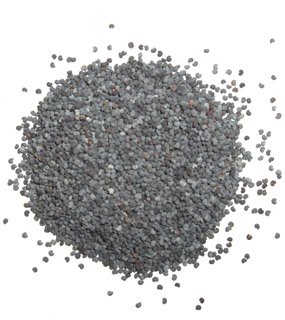
Poppy seeds are kidney shaped, a beautiful blue-grey-black colour and have a very nutty flavour. They can be used in breads, muffins, cakes and also added to salads and vegetables.

Poppy seed is produced all over the world, with the most notable production coming from the Netherlands, Australia and Turkey. Dutch poppy seeds are considered the highest quality.

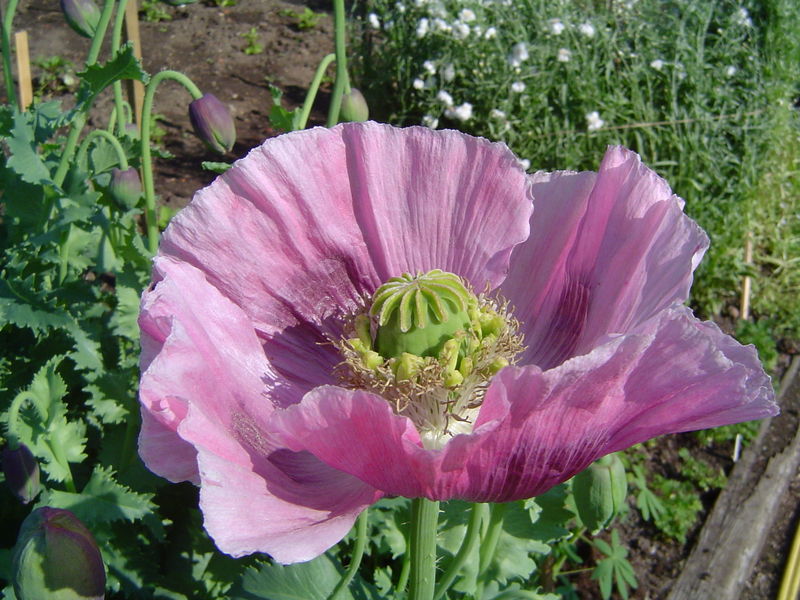
Poppy flowers have around 6 petals and come in a huge variety of colours. According to Wikipedia, these are the various poppy genera:
- Meconopsis (Himalayan poppy, Welsh poppy and relatives)
- Papaver (Iceland poppy, Oriental poppy, Opium poppy, corn poppy and about 120 other species)
- Romneya (Matilija poppy and relatives)
- Eschscholzia (California poppy and relatives)

Unfortunately the beautiful ornamental qualities of the poppies are irrelevant to drug authorities. In most countries any part of the opium poppy, other than the seeds, are deemed illegal to obtain and cultivation of the seeds is highly regulated. Allegedly, in Singapore even poppy seeds are banned due to the negligible opiate content. Singaporeans – is this true?

According to Wikipedia, the myth that Opium Poppies can be grown from the edible seeds is also true and if you wanted to be a really naughty you could grown your own Opium Poppies from the pack you bought at the grocery store. Soon you’ll have pretty pink flowers and green pods with significant amounts of opium.

The poppy used by Americans, Canadians and Australians to commemorate fallen soldiers is not the same poppy that gives us morphine and seeds. The remembrance poppy is the red corn poppy or Papaver rhoeas.

The host for this Weekend Herb Blogging is Sher from What Did You Eat? If you feel like reading about recipes for other herbs, please check out Sher's round-up.

References & photo sources:
http://www.mccormick.com/content.cfm?id=8228
http://en.wikipedia.org/wiki/Poppy
http://en.wikipedia.org/wiki/Opium_Poppy
http://www.apinchof.com/poppy1036.html
http://www.poppiesshop.com


Tags:

Wednesday, 11 October 2006

let's do lunch at yoshii

I’m itching to go nuts. Somebody just give me an excuse!

It’s October which means Good Food Month in Sydney and this year there are some spectacular events on. Cooking classes, market tours with top chefs, degustation dinners and the Night Noodle Markets.

Restaurants and bars also put on specials such as the Cocktail of the Month where participating bars nominate a cocktail and pair it with a canapé; hotels offer up a select dessert for late night revellers with the $15 Sugar Hit and restaurants all over the city show off their wares with a glass of wine for $35 in Let’s Do Lunch.

I booked myself into an Oyster Forum on Sunday and was very keen on three cooking lessons: Serendipity ice cream, Lenotre’s pastries and the Middle Eastern desserts. I started to dial the number to book in and then hung the phone up like a guilty prank caller.

Yes, this is Good Food Month.

Yes, this is the one month when I am in seventh heaven and can openly revel in all things gastronomic.

Yes, this is the only time in the year that everyone actually wants to talk gastronomy because it’s “so hot right now”.

BUT I HAVE A WEDDING TO PAY FOR!

With this in mind I resigned myself to:
a) the Oyster Forum
b) Let’s Do Lunch at Yoshii

This is ridiculously restrained for me. I am being unbelievably responsible.

. . . but the month’s not over yet . . .

So today was my Let’s Do Lunch at Yoshii.

YOSHII
115 Harrington Street, The Rocks
Sydney, Australia
www.yoshii.com.au
Chef: Ryuichi Yoshii

We entered this Two Hat restaurant and, spotting our friend from the door, we made our way through the small room of wide tables and wonderfully wide, cushioned chairs. The little dining area was divided from a sushi bar by wooden slats in a bamboo effect. It made a clear division between the spaces without boxing in the smaller room too much.

For $35 we got slow roasted wagyu and a glass of Brown Brother’s 2006 Rosé.

The beef was served dengaku style in two thin strips, both wonderfully moist. The meat was so soft and yet still juicy and rare, the flavour of the fat gorgeously marbled throughout. The first strip of wagyu was doused in an elegant red miso sauce – rich, cerise and succulent.

The second strip was sweetened white miso paste. This pale yellow and lemony flavoured paste was smeared over the strip of meat and sprinkled with what seemed like crushed sesame seeds.
Slinky Minx and Ingrid preferred the white miso cut whereas Lustm and I favoured the red miso beef. Both were exquisite, but if forced to choose I think the white miso was just a little too sweet.

The meat was served with what looked like pretty shapes of steamed vegetables, but as the morsels hit my lips they were distinctively smoky. They were fresh and had a firm texture while taking on a slight grilled flavour. I even enjoyed the delicate slice of okra, the slimy, furry texture seemingly irrelevant in this context.

In true Japanese style, the meal came with a bowl of rice and a small pot of steaming miso soup.

When the food first arrived I thought it was a tiny portion, but the richness of the wagyu filled me to the brim and I couldn't have eaten a skerrick more.

Service at Yoshii was friendly but fairly poor. Maybe it was due to the onslaught of diners taking advantage of the GFM deal?

Our table for four had only three wine glasses and we had to ask for an extra wine glass three times before it arrived. Wine was not automatically offered either, even though it was part of the deal, and then when our bill arrived we had been charged an extra $40 for wine we hadn’t ordered. Despite the confusion the wait staff were friendly and eager to fix the problems.

Food knowledge wasn't solid across the team, one waiter deferred the explanation of dengaku style cooking to his Japanese colleague who provided a detailed account that was very much appreciated.

Maybe it’s just Sydney, but it seems restaurants with real Japanese wait staff often have this friendly yet totally confused service. In the end my rating focuses entirely on the food, and Yoshii did well in that department.

Let’s Do Lunch at Yoshii was yummy and despite the muddled service I'm determined to visit again for one of the famous kaiseki sets.

~ ~ ~

This post is just one of many Good Food Month activities being recorded by Sydney’s food bloggers. Check out what else has been done/eaten/explored by viewing the excellent weekly round-ups from Cucina Rebecca.


Tags:

wine blogging wednesday

When I first saw Beau’s Wine Blogging Wednesday theme Where’s Wino?, intending to take us on a world wide tour of wine, I was shocked to see the southern hemisphere absent from the list of possible wine origins.

After being reassured by Beau that he had already planned for Where’s Wino? II to feature the southern wine producing nations, I went out to find one of the wines from his set categories:
White Wine - New York, Oregon or Italy
Red Wine - Washington, Spain or France

After picking a white wine and blogging about it with pretty pictures and all, Beau has told me I'm a silly billy - how are people going to guess what wine I'm writing about when I've posted massive photos all over the place. Hmmm?

So the happy snaps were then removed and the wine became anonymous for the guessing game. Once the winner was annouced, I brought the photos back for your viewing pleasure.

Since American wine is near to impossible to find in my neck of the woods (the Italian area of Sydney) I settled on the easy find: Cusumano's 2004 Insolia (AUD$14).

Origin: Sicily, Italy
Producer: Cusumano
Grape: insolia/inzolia
Vintage: 2004
Vineyard: Salemi (TP), Monreale (PA)
Vines: 10 years old; south-east facing; 4,200 plants per hectare; 7500kg grape yield per hectare
Harvest method: Manual, early September
Production method: Cold pressed with skins (10’C) for 12 hours; soft second pressing; 4 months on the lees in stainless steel; further maturation in bottle

Colour
Insolia is usually a straw coloured wine, and while it was certainly not botrytis gold I found it to be deeper than straw and closer to a pale gold. It was a medium yellow.

Nose
The nose had some slight tropical attributes (pineapple?), with a slight lemon edge and a touch of almond. It also had a tinge of smelly feet :)

Palate
The palate was quite honeyed with a touch of creaminess and a pleasant acidic end-note. Ever so slight sweetness prevailed throughout the palate. Light on the tongue and yet it still contained full body characteristics. It had a short, slightly bitter finish and no sour, lingering aftertaste.

Insolia should be served slightly chilled (i.e. not too cold) and is recommended with fish and white meats since it can cut through strong acidic accompaniments such as lemon juice and chilli.
Insolia is a grape native to Sicily and is found predominantly in Sicily’s western areas. There are also a few insolia in Tuscany, where they are called Ansonica/Anzonica. It should be served slightly chilled (i.e. not too cold).

It is recommended with fish and white meats and can cut through strong acidic accompaniments such as lemon juice and chilli.

I drank my insolia alongside pan-fried John Dory (a typical fish served in Australia) and salsa verde.

This will make a gorgeous summer wine to kick back and chug-a-lug through the weekend.

Check out Beau's recap and to see some of the wines people have chosen.

Tags:

chocolate buddha


Chocolate Buddha
Federation Square, corner of Swanson & Flinders Streets
Melbourne, Australia
Chef: Hiroko Land
Cuisine: Japanese
T: +61 3 9654 5688
www.chocolatebuddha.com.au

A Tuesday night in Melbourne. Zero planning.

My plane landed at 19:25 and I had the taxi ride into the city to come up with a quick, easy, centrally located restaurant to feed me and Silke, a colleague visiting from Germany (who happens to be a coeliac, meaning she is allergic to gluten).

After ringing around to some of CBD Melbourne’s finer Japanese restaurants, and being told they were all booked up for the night, I resigned myself to Chocolate Buddha in Federation Square.

Admittedly I was a little sceptical of this restaurant. Sure the interior looked great in all the happy snaps, but The Age 2007 Good Food Guide mentioned flawed service and the restaurant was one of those “no bookings” establishments which I loathe.

We arrived and were seated immediately. Great.

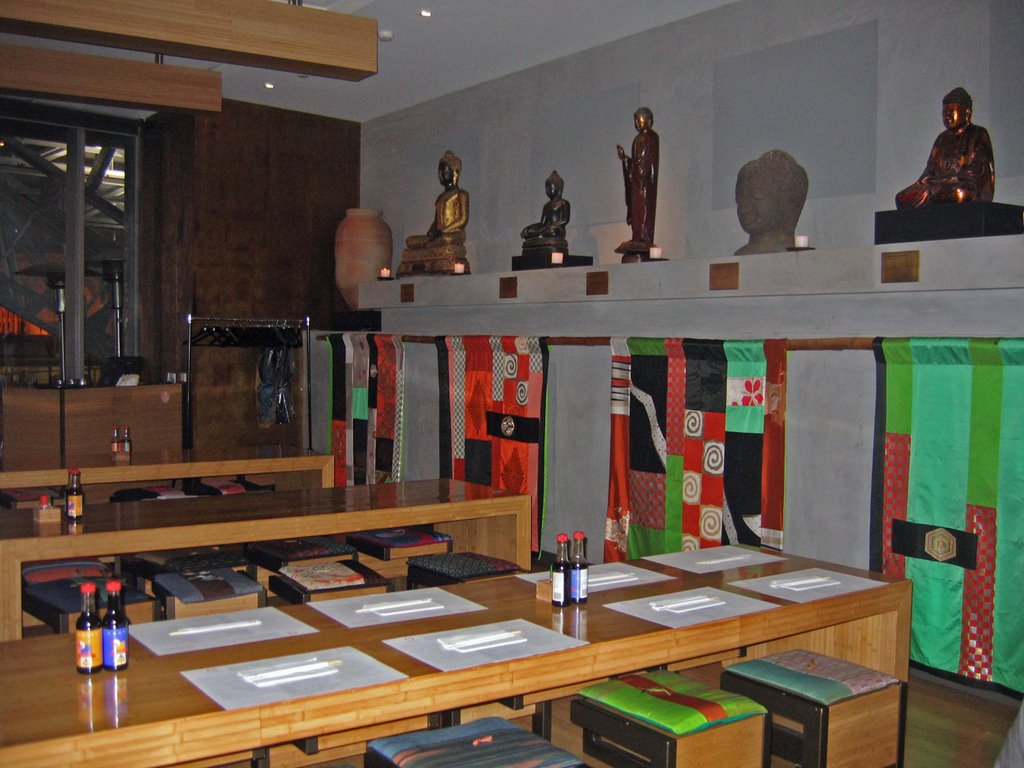
The room was decorated with brightly coloured flags cascading from the walls and upon a high ledge sat statues portraying Buddha in his multitude of forms. Long wooden communal tables were fairly spacious and the tiny wooden stools were surprisingly comfortable and softened with bright cushions matching the flags.

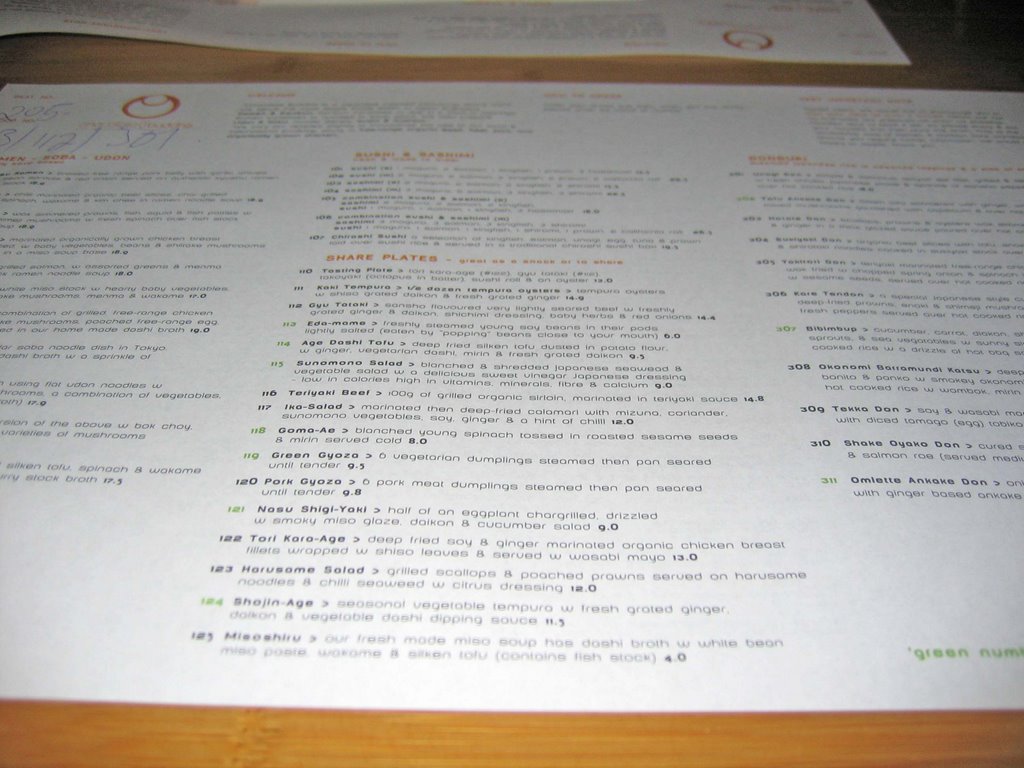
Menus were paper placemats and were eerily akin to the UK’s Japanese chain Wagamama. In fact the menu was fairly similar to Wagamama (complete with order scribbled in the corner), only the variety looked broader and Chocolate Buddha had more innovating offerings.

Service was certainly sporadic. We were met warmly and order drinks immediately, but our waitress didn’t return for some time and we needed to hail waitstaff zooming past to repeat our drink order and place our food choices.

Silke and I decided to share some gluten free dishes and opted for two cold and one warm dish.

First to arrive was the sashimi plate which came with two slices each of salmon, tuna, kingfish and shiromi, which mysteriously translated into white fish. Silke was very impressed with the flavour and freshness of the sashimi. I found the it slightly dry (it had been prepared before we arrived) but the flavours were good and they all had excellent marbling throughout. I thought the kingfish was particularly good.

Next came my heart’s desire: gyu tataki. In Japanese, gyu means beef and tataki means beaten. At Chocolate Buddha this translated into slices of raw beef served with shichimi sauce, grated daikon and fresh ginger as well as some onions and pretty greens. Shichimi tōgarashi 七味唐辛子 means seven flavor chilli pepper and although there was a soy-like sauce splashed over the paper-thin slices of beef, it didn’t have much bite to it. Instead I relied on the spicy fresh ginger and mildly pungent white daikon radish to add an extra kick to this gyu tataki. The meat was flavoursome and met with favour at our table.

Our hot dish was unagi don, freshwater eel fillets smothered in teriyaki sauce and served on a generous bed of rice. The dish was garnished with garishly bright purple pickles that had a squeaky texture and sour-sweet flavour. The earthy flavours of the eel were matched perfectly to the sweet-sour of the teriyaki. The flesh broke away easily with a spoon and I thoroughly enjoyed this dish.


We mismatched our meal with glasses of icy, golden umeshu (plum wine) which added a sweet-tart note to the meal.

Oh umeshu, my dear friend!

I could drink umeshu as an aperitif, as a cocktail, with a Japanese or as a digestive. It’s always the right time for umeshu.

After the meal a second round of umeshu took a significantly long time to arrive and even though the restaurant was close to empty it was near to impossible to get the waitstaff to stop chatting and bring the bill.

Such a shame the service was so ditzy because the room was tres funky, the food was right on and the prices were fairly standard. I guess in such a prime location the crowds will flock regardless.


Tags:

Tuesday, 10 October 2006

zucchini fritters


Another food bloggers event for me to join!

I subscribe to Donna Hay's magazine, that comes out once every two months, and love the culinary ideas that her beautiful, stylish photos inspire.

This event starts off with a Donna Hay recipe, posted by the host, with other food bloggers invited to join in with their own versions.

This time the event is hosted by JenJen from Milk & Cookies and the theme is “fritters”.

My entry is a simplistic yet delicious recipe for zucchini fritters.

When there’s an omnivore and a herbivore in one house finding interesting recipes that excite both of us are few and far between.

I hate couscous, capsicum and have an eternal craving for red meat, while Jonas is the only vegetarian I know that abhors eggplant.

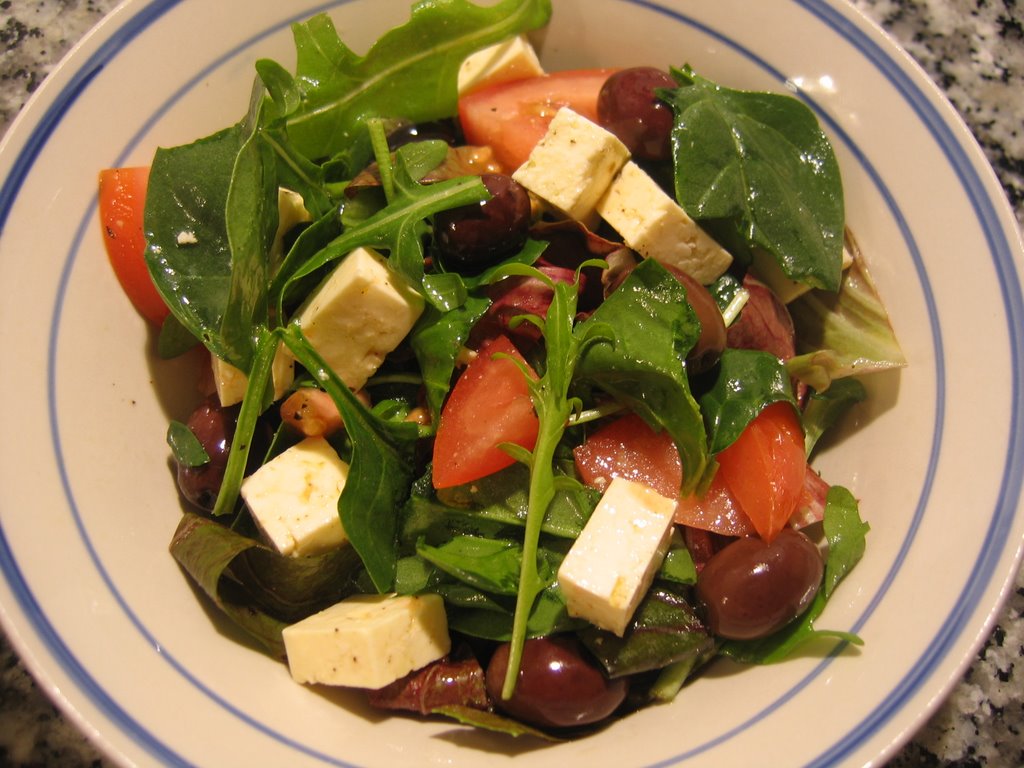
When we discovered this recipe for zucchini fritters we were both over the moon. Tasty, healthy (sort of) and full of fresh herbs, they couldn’t be more delicious and served with a good Greek salad and some tzatziki on the side, no one could turn them down.

Zucchini Fritters
Recipe from Family Circle “Mezze”. Makes 8 large or 16 small fritters.
Ingredients:

2 medium zucchini, grated
1 small onion, grated
½ cup self-raising flour
1/3 cup grated kefalotyri cheese (or parmigiano)
1 tablespoon chopped fresh mint
2 teaspoons chopped fresh parsley
¼ cup dry breadcrumbs
1 egg, lightly beaten
Pinch of nutmeg
Method:
1. Put grated zucchini and onion into the centre of a clean tea towel or sheet of muslin and twist as tightly as possible to squeeze out as much liquid as you can. Continue until the mixture seems fairly dry.
2. Combine dry zucchini mixture with flour, mint, cheese, parsley, nutmeg, breadcrumbs and egg in a bowl and mix with clean hands into a stiff mixture that clumps together. Optionally, dust each fritter with additional flour.
3. You can cook the fritters by frying or baking:
a) Frying: heat olive oil for shallow frying (medium heat). Drop level tablespoons of mixture into the oil for 2-3 minutes until well browned all over. Drain well on paper towels.
b) Baking: oil a baking tray with olive oil and place fritters on tray. Brush lightly with melted butter or olive oil then bake for 10-15 minutes on 180°C until well browned all over. Drain well on paper towels.
4. Sprinkle with salt. Great served with tzatziki.

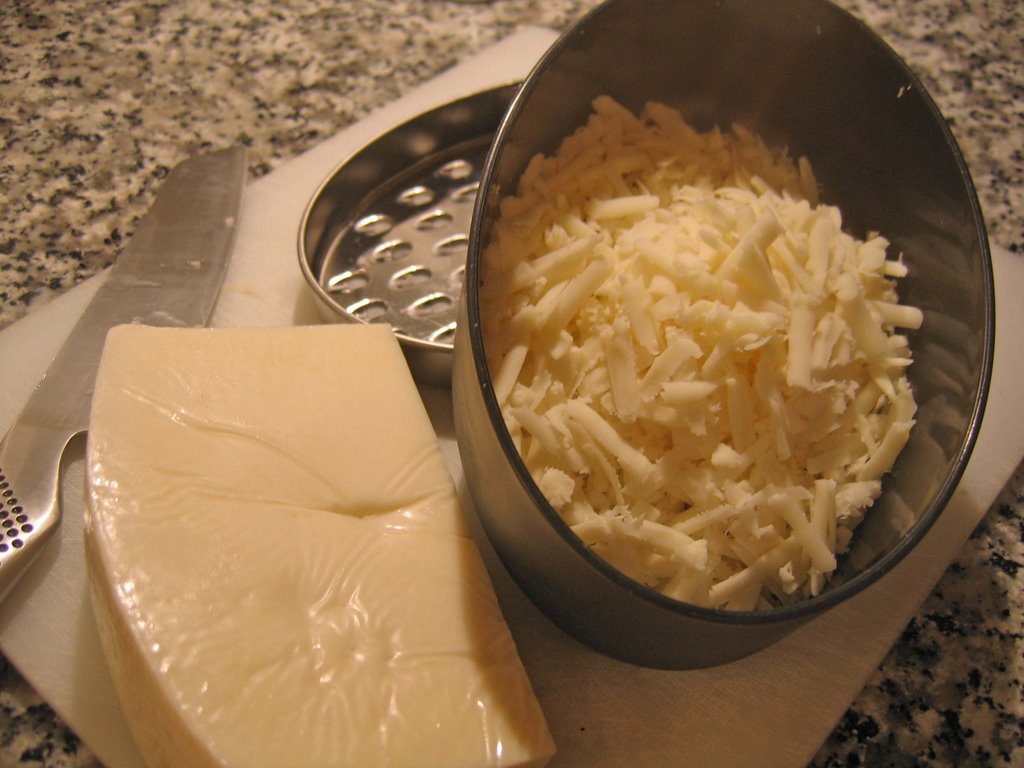
I especially like the fact that this recipe uses kefalotyri cheese. I’d never even heard of this ewe’s milk hard cheese until I read this recipe.

Kefalotyri is very salty, slightly yellow is usually made from sheep’s milk (or goat’s but certainly not cow’s) and takes around three months to ripen. It has a 55% fat content and can be eaten fried or melted over vegetables or within dishes.

Apparently it’s been eaten in Greece since the Byztantine period (3rd to 13th century). Today it’s really popular in Greece and has a sharp tang, similar to the Italian cheese pecorino.

Be sure to visit JenJen’s recap on 22 October to see all the all fritter recipes as well as find out which fritters the food blogging world find most appetising.


Tags:

Monday, 9 October 2006

recipe carousel #17 - cocktails

Summer is coming down under and this means one thing to me: cocktails!

Last night I kicked the season off with my own little Pink Pudding, but here are seven other cocktail recipes for you to enjoy this week.


Raspberry Champagne Cocktail. Posie in Switzerland (Posie's Place) celebrates the arrival of a holiday with her take on a Kir Royale. Fresh raspberries are muddled with Crème de Framboise and Black Label Smirnoff before being topped with Moet et Chandon. Tres magnifique! Photo courtesy of Posie.


Lemon Vanilla Fizz is a pretty ditty from Haalo in Australia (Cook (almost) Anything At Least Once). Haalo muddles lemon leaves with a vanilla pod and some Limoncino Romanoli, then tops with crushed ice and soda. A wonderful, sparkling drink. Photo courtesy of Haalo.


Yoghurt Soju is an exciting new concept for me, introduced by Zen Kimchi in Korea (Zen Kimchi). Soju is Korea’s favourite spirit and is a rice based alcohol. In this recipe, Zen Kimchi mixes yoghurt, soju and lemon soda (such as Sprite or 7-UP) to create a sour, fizzy alcoholic delight. Sounds good to me. Photo courtesy of Zen Kimchi.


Basilcello from Ilva in Italy (Lucullian Delights) uses the same principles as the famous Italian liqueur limoncello, but focuses on Italy’s favourite herb instead. Basil is steeped in pure alcohol then mixed with sugar syrup and drunk icy cold for a sweet, peppery sipper. Photo courtesy of Ilva.


Spiked WaterM is a playful concoction from Jeff (aka WheresMyMind) in the USA (C for Cooking). My favourite spirit, tequila, is blended with lime juice, sugar syrup and chunks of fresh watermelon. Topped off with melon and orange liqueurs this makes an easy going drink to share with all your partay monkays. Photo courtesy of Jeff.


Apricot Daiquiri. Meeta in Germany (What's For Lunch Honey) has created the perfect Ladies Drink. Apricots are lightly poached to remove their skins then blended with smooth rum, ice, lemon juice and yummy apricot liqueur. This is the ultimate, sophisticated drink for sassy women who love to be a bit girly. My kind of drink! Photo courtesy of Meeta.


Gingerade is an exciting discovery from Carolyn in Zimbabwe (Field to Feast). Suffering from regular shortages of soda, fuel, bread and sugar, Carolyn and Mark celebrate the return of ginger beer to their supermarket shelves by creating this cocktail containing peach or apricot juice, lemon juice and brandy – and ginger beer! Sit back, relax and enjoy the soda while it lasts. Photo courtesy of Carolyn.


I have a whole bunch of cocktail recipes in my repertoire, but those I’ve blogged about already include yesterday’s Pink Pudding, Sgroppino (lemon sorbet & vodka), Boozy Hot Chocolate, Fläderblom Martini (elderflower), Glögg (Swedish mulled wine), Piña y Menta Fresca (pineapple & mint) and I road tested Haalo’s Tangelo Caprioska.


Add your own recipe!

If you want to link in your own cocktail recipe and share the love around, just leave the link in the comments section. You didn’t have to invent the recipe yourself, just make it and post it on your site. The whole idea of Recipe Carousel is that good recipes are shared with people who love to cook.
Note: Usual comments are more than welcome but all html links must be recipe related (yours or others).

Check out other Recipe Carousel themes: pasta, yoghurt, crispy snacks, vegetable desserts, fruit in savoury food, made from scratch, strawberries, jam, bread, seafood mains, ice cream, soup, chocolate and drinks.


Tags:

pink pudding

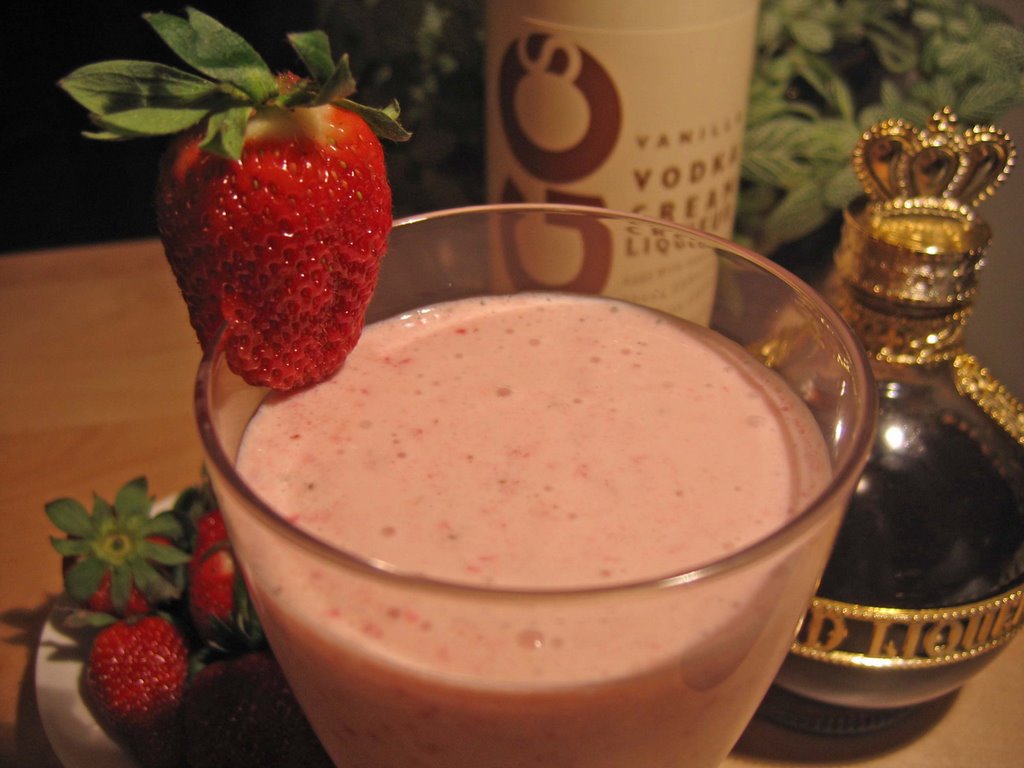
Last night, after Jonas made an online application for his Australian citizenship, I made a fruity, creamy cocktail to celebrate.

A punnet of strawberries had been pushed so far back in our frigde that they froze against the back wall. I used these, some left over thickened cream, a splash of milk and some delicious liqueurs (Jago's & Chambord) to create Pink Pudding: thick and luscious.

Pink Pudding
Anna’s very own recipe. Serves 2.
Ingredients:
90ml Jago's Vanilla Vodka Cream
45ml Chambord
1 cup frozen strawberries, hulled and quartered
65ml milk
65ml cream
Method:
Place all ingredients in the blender and process until combined.


Tags:

Sunday, 8 October 2006

fantastic! fresh! fennel!


One afternoon, Jonas was inspired. He went mad in the kitchen and started kneading pizza dough to make us a gorgeous margarita pizza.

Jonas is obsessed with pizza. It’s his food of choice and over the past two weeks, while I have been away, he confessed that he ate pizza on most days.

Don’t get me wrong, Jonas can devour seven pizzas and a case of beer easily, but he also has a refined palate. I guess when you work in fine dining, during your time off all you crave is junk food.

His sudden fervour to make homemade pizza was welcomed and so I settled into my evening with a feast in store.

In the end he made margarita pizzas (tomato base, mozzarella and basil topping) as well as my all time favourite salad: blood orange and fennel.

We paired it all with a Sauvignon Blanc from New Zealand.

Basic Pizza Dough
Recipe from the Italian Cooking Encyclopedia. Serves 4 for main or 8 for an appetiser.
Ingredients:
2½ tablespoons fresh cake yeast or 1½ tablespoons active dry yeast
1 cup (250ml) lukewarm water
Pinch of sugar
1 teaspoon salt
3 – 3½ cups (350-400g) plain flour
Method:
1. Warm a medium mixing bowl by swirling it with hot water. Drain.
2. Place yeast in the bowl and add the cup of warm water.
3. Stir in the sugar and mix with a fork. Stand until yeast dissolves and foams, approx. 5-10 minutes.
4. Use a wooden spoon and mix in salt and one third of the flour.
5. Mix in another third of flour, stirring until dough forms a mass and pulls away from the sides of the bowl.
6. Sprinkle some of the remaining flour onto a clean surface and knead dough, working in a little of the remaining flour a little at a time. Knead for 8-10 minutes until you have elastic and smooth dough. Form into a ball.
7. Put dough into a lightly oiled mixing bowl, cover bowl with a moistened tea towel and leave to stand in a warm place until the dough doubles in size (approx 40-50 minutes).
8. To test whether dough has risen enough, poke with two fingers and if the indentations remain it’s ready.
9. Punch the dough down with your fist to release the air and knead for another 1-2 minutes.
10. Divide dough into however many pizzas you’d like to make and form into balls. Roll out with rolling pin to 5mm or ¼ inch thickness.
11. Place on lightly oiled pan, folding the extra dough over to make thicker edges. It is now ready for baking.


Margarita Pizza

Jonas’ very own recipe. Serves 4 as a main or 8 as an appetiser.

Ingredients:
1 batch of basic pizza dough
3 – 4 cloves garlic, crushed
1 small onion, chopped finely
1kg ripe tomatoes, peeled and diced
1 cup (250ml) quality stock
1 tablespoon fresh oregano, chopped
¼ fresh basil, torn
2 ripe tomatoes, thinly sliced
400g mozzarella, grated
Sugar, salt and pepper
Olive oil
Method:
1. To make the tomato base, heat olive oil in pan. Fry onion and garlic until soft.
2. Add tomatoes, sugar, pepper and a splash of stock. Cook slowly until tomatoes breakdown (approx 30-40 minutes), adding stock if the mixture becomes too dry.
3. Once it becomes a thick sauce, taste for seasoning and add oregano. Cook for 2 minutes more and then remove from heat.
4. Preheat oven to 220’C – 230’C.
5. Spread tomato sauce over pizza base. Top with fresh tomato slices and generous amounts of mozzarella.
6. Bake in oven for 10-15 minutes or until base is sufficiently crispy.
7. Sprinkle with torn basil and a dash of olive oil. Serve!
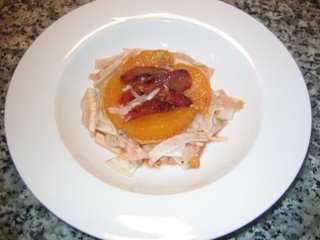
This was inspired by Spanish salads that combine the sweetness of orange with an acidic dressing and olives. We decided to use blood oranges to add a little colour and fennel to add texture and crunch. Even though I’m not at fan of fennel, I adore this salad.

Blood Orange, Fennel & Olive Salad
Anna & Jonas’ very own recipe. Serves 2-3.
Ingredients:
Salad
1 baby fennel
2 blood oranges
1 navel orange
½ Spanish onion
½ cup quartered kalamata olives
Dressing
2 – 3 tablespoons olive oil
1 tablespoon lemon juice
½ tablespoon white wine vinegar
½ tablespoon reserved orange juice
Method:
1. Segment navel orange over a bowl to catch the juices. Segment blood orange but do not retain juice (this will make the blood orange's colour stand out more brightly).
2. Shave fennel with potato peeler to get paper thin slices.
3. Slice onion into paper thin half moons.
4. Place fennel, onion, olive and orange segments into a bowl. Season with salt and pepper.
5. In a small bowl add olive oil, lemon juice, white wine vinegar and orange juice. Mix then adjust to suite your tastes, bearing in mind the dressing should be acidic to balance the sweetness of the fennel and orange.
6. Dress the salad and serve.
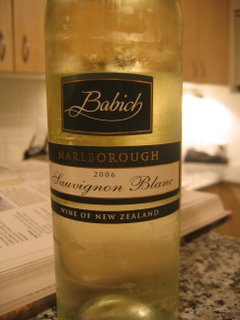
And as a grand finale, we even made our own tasting notes for the wine:
2006 Babich Sauvignon Blanc – Marlborough, New Zealand
Colour: pale straw with a greenish tint
Nose: strawberry hubba bubba; strawberry flavouring; gooseberry; passionfruit
Palate: sweet, passionfruit entry; citric middle; medium, acidic finish.
Verdict: enjoyable; good summer wine.

Which herb should be the focal point of this festa italiana for Weekend Herb Blogging?

We have basil, which I’ve blogged about before on a previous WHB; there’s oregano in the tomato base and a great fennel salad?

I think I’ll go with fennel on this occasion.
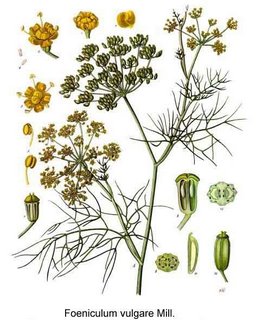
Fennel (Foeniculum vulgare) is native to southern Europe (mostly the Mediterranean) and south-west Asia. As part of the Umbellifereae family, fennel is closely related to parsley, carrots, dill and coriander.

It is an aromatic perennial, with aniseed flavours, and the bulbs, stalks, leaves and seeds are all edible.

In Ancient Greece and Rome, fennel was well regarded for its medicinal value. In Greek myth, it was in a fennel stalk that Prometheus carried coal from Mt Olympus and thus passed fire from the gods to people.

The English word fennel comes from the Latin fenum / fœnum (hay) into feniculum / fœniculum (little hay or fennel) through Anglo-Saxon fenol / finol into Middle English fenel / fenyl and finally into Modern English and the word we know today.

It’s also interesting to note that fennel gives us the word marathon also. After the famous battle between the Greeks and the Persians in 490BC, Pheidippides ran some 42km from Marathon to Athens to announce that the Greeks had won before collapsing to his death. His long distance run was named after the battle, but the plains of Marathon were so named because fennel had grown there in abundance μάραθον = marathon = fennel.

The Anglo-Saxons considered fennel sacred along side eight other sacred (and now quite unusual) herbs: mugwort, greater plantain, watercress, wild chamomile, stinging nettle, crab apple, chervil and viper's bugloss.

During the Medieval period, fennel was used as an insect repellent as well as to ward away evil spirits.
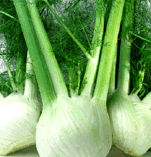
Fennel can now be found growing wild along roads and in fields throughout the world, since it is easily grown by seed. In fact in the USA and Australia it is often classified as a weed.

Today, the leading commercial growers are the United States, France, India and Russia.

The bulb of Florence fennel (F. vulgare Azoricum Group) is also eaten and has a much sweeter flavour than the seeds and leaves. Florence fennel was one of the three main herbal ingredients used to make traditional Absinthe, although modern day production usually omits it.

Fennel bulbs can be served raw in salads, braised, blanched or marinated.

Fennel seed is dried and used in cooking and in India the seed is coated in candy and eaten as a sweet treat or chewed as a breath freshener. They must be onto something because fennel is an ingredient in many natural toothpastes.

Fennel is also important in Chinese five spice mixes, satay, garam masala mixes as well as panch phoron, a Begali spice blend. In Italy it is used to flavour sausages and rye breads in northern Europe.

I was surprised to learn that fennel pollen contains the strongest fennel flavour, but as you can imagine it is expensive to come by.

Fennel’s flavour comes from its volatile oil anethole, also called anise camphor and aniseed oil. According to Wikipedia, “chemically, it is an aromatic, unsaturated ether” and is related to estragole, a compound in tarragon and basil. Anethole is 13 times sweeter than sugar but is also slightly toxic and can be an irritant in large quantities. Artificial hallucinogens synthesised from anethole (eg paramethoxyamphetamine) are used to make ecstasy tablets.
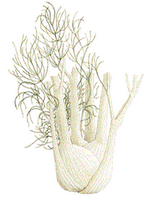
Traditionally fennel was used as a diuretic and to induce milk production for new mothers. It was also used to cure chills and digestive troubles in the form of fennel seed infused hot water. Fennel tea also assists babies with colic.

Today fennel is said to have a range of medicinal properties including anti-inflammatory and anticancer effects because the anethole shuts down a signalling process that triggers gene-alteration.

Fennel bulb is an excellent source of vitamin C and immune system boosters, preventing osteoarthritis, rheumatoid arthritis and recurrent ear infections as well as decreased risk of colon cancer.

Fennel is also a very good source of potassium, lowering high blood pressure.

Fennel essential oil is used in soaps, and some perfumes as well as cough medicine. The Garden Guides website also recommends fennel as a soothing eyewash.

That’s it for my Weekend Herb Blogging. This week’s recap is being hosted by Ruth at Once Upon A Feast in Canada. Be sure to check out her recap.


References & photo sources
http://en.wikipedia.org/wiki/Fennel
http://en.wikipedia.org/wiki/Anethole
http://www.whfoods.com/genpage.php?tname=foodspice&dbid=23
http://www.gardenguides.com/herbs/fennel.htm

Tags:

Saturday, 7 October 2006

jonas' caprese salad

Today is Jonas’ birthday.

Obviously he was meant to be in my family because Thursday was my mother’s birthday, Friday was my brother’s birthday and now Saturday is my Jonas’ birthday.

Every year I outdo myself with presents. Last year it was a full set of Global knives and once it was a weekend away in Melbourne (which got cancelled because the airline went bankrupt, but let’s not go there).

This year I have been travelling for the past two weeks and I didn’t get him anything. I looked for something but there wasn’t anything decent or exciting. Just crappity crap.

And so here I am empty handed.

It was heart breaking to see the look upon his face when he realised I wasn’t playing games and that I really didn’t have a present. I felt awful.

So Jonas, I promise I’ll get you something exciting. In the meantime here’s a tribute to you and your wonderful salad.

I love you.

Caprese Salad
Jonas’ take on an old Italian recipe. Serves 2 hungry adults.
Ingredients:
2 large, ripe tomatoes
Approx 10 cherry-sized bocconcini
1 tablespoon shredded basil
1 tablespoon (20ml) olive oil, good quality
½ tablespoon balsamic vinegar
Milled salt & pepper
Method:
1. Slice the tomato into fairly thin circles. Slice the bocconcini into circles.
2. Place the tomato slices on a plate, then place one or two bocconcini slices on each tomato slice.
3. Sprinkle the shredded basil over each tomato slice, then drizzle a little olive oil and balsamic.
4. Freshly mill salt and pepper over the salad and serve immediately.
Note: To avoid oxidation, shred the basil just before you make the salad. Also, use white balsamic vinegar if you do not want the darker vinegar to discolour the salad.

Tags:

Monday, 2 October 2006

recipe carousel #16 - pasta

This weekend was a long weekend in Sydney and other parts of Australia.

Three of my girlfriends (Shelley, Em & Vicky) and one of my sisters (Shamu) got together and organised a girly “bridal shower” weekend in the Hunter Valley – one of Australia’s oldest wine regions.

We spent three days tasting wines, eating cheese, taking group photos of us jumping in the air and we even indulged in a cooking class.

It was at this lesson that I learnt to cook gnocchi and for the first time EVER I actually enjoyed eating it. Usually I think of gnocchi as gluggly, starchy stomach bombs but these were light and deliciously flavoured with a vegetarian caponata style sauce. I’ll be cooking that again for sure!

So in honour of my new love of gnocchi, I've come up with seven other pasta dishes to rock your world.

Also, I just wanted to let everyone know that I'm travelling interstate for work this week so I'm afraid there probably won't be any posts until Sunday. Sorry about that!!!

Now here's the food . . .

Pumpkin, Sage & Goat’s Cheese Ravioli comes from pasta master JenJen in Australia (Milk & Cookies). JenJen had to overcome her doubting family who didn’t believe she was capable of making anything let alone a pasta production line. Check out the photos and her recipe to see just how wrong they were! Photo courtesy of JenJen.


Hilopittes & Peas. Stevi in Greece (Bread and Butter) uses flat square shaped pasta called hilopittes and combines them with freshly shelled peas, garlic, spring onions, pine nuts, vegetable stock and mint to create this light, refreshing pasta meal. Photo courtesy of Stevi.


Garlic Scape Pesto was a recipe drawn together from various web inspirations by Kalyn in the USA (Kalyn's Kitchen). Kalyn uses the garlic shoots to create a creamy, garlicky pesto for linguini. She also recommends serving this with fish, toasted bread or rice. Now this is more of a sauce dish than a pasta one, but pesto does go on pasta so I wanted it in! Photo courtesy of Kalyn.


Beetroot Pasta w Pine Nuts, Pear & Lime. This interesting concoction comes from Ilva in Italy (Lucullian Delights). As part of a Paper Chef comp, Ilva devised this wonderful looking pasta and flavoured the sauce with asparagus, pears and lime. The final colour combination was intriguing. Photo courtesy of Ilva.


Spaghetti Nicoise comes from Renz in the USA (Little Bouffe). Renz melds a famous salad with pasta to make a delicious summer meal. Eggs, beans, olives and tuna mix beautifully with spaghetti for a flavoursome lunch, dinner or glorious snack. Photo courtesy of Renz.


Rigatoni Al Forno may have been Nigella Lawson’s recipe but Plum in Australia (My Favourite Plum) makes it her own. A classic lasagne recipe is reinvented as a pasta bake. Meat sauce and béchamel are layered with rigatoni for the perfect winter feast for a hungry family or a casual dinner with friends. Photo courtesy of Plum.


Farfalle w Golden Beets & Gorgonzola is a golden dream from Catherine in the USA (Albion Cooks). Butterfly shaped pasta bows are served with steamed beets, caramelised onions flavoured with vermouth, cream, gorgonzola and some watercress. Photo courtesy of Catherine.


Add your own recipe!
If you want to link in your own pasta recipe and share the love around, just leave the link in the comments section. You didn’t have to invent the recipe yourself, just make it and post it on your site. The whole idea of Recipe Carousel is that good recipes are shared with people who love to cook.
Note: Usual comments are more than welcome but all html links must be recipe related (yours or others).

Check out other Recipe Carousel themes: yoghurt, crispy snacks, vegetable desserts, fruit in savoury food, made from scratch, strawberries, jam, bread, seafood mains, ice cream, soup, chocolate and drinks.


Tags:
Related Posts with Thumbnails